

A Cambridge Team Tracked 110 Seniors for a Year. What They Found About Emergency Buttons Should Worry Every Daughter.
Why Your Mom Won't Press Her Emergency Button When She Falls (The Answer Isn't That She Can't Reach It)
A Cambridge Team Tracked 110 Seniors for a Year. What They Found About Emergency Buttons Should Worry Every Daughter.
152 verified reviews
Trending in the US
| Family Safety Journal
September 28, 2026
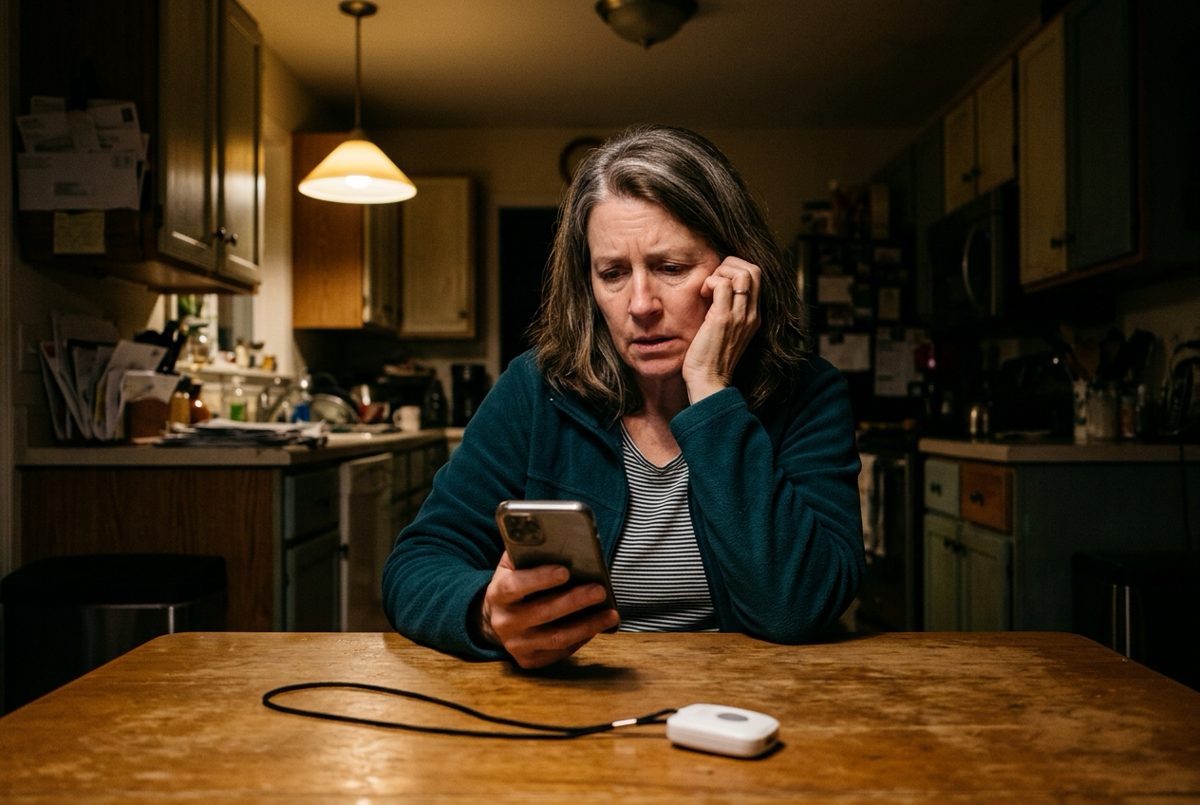
WARNING: What you're about to read will change how you think about your mother's emergency button forever. If your mom lives alone and you've been telling yourself "at least she has her button," this story will shake you.
Karen Whitfield never thought the emergency button around her mother's neck would be the reason her mother spent a night on the bathroom floor.
For fourteen months, the 54-year-old from Columbus, Ohio, believed her mother was covered. She paid $44.95 a month for it. She told her friends about it. She slept better because of it.
She shouldn't have.
Her mother Joan, 79, lay on cold bathroom tile for eleven hours with that button resting on her chest. She never pressed it.
Afterward, everyone gave Karen the same two answers. "She just has to remember to press it." And, quieter, from the hospital: "Maybe it's time for a facility."
But Karen refused to accept either one. What she found at 2 AM, in a study published 18 years ago, changed everything she thought she knew about keeping her mother safe.
The 14-Month Nightmare: How the Button That Was Supposed to Protect Joan Left Her on the Floor All Night

Let me take you through Karen's story, month by month, because what happened in her family is happening in homes across the country right now.
Month 1: The Button That Made Everyone Feel Better
Karen's dad died in the fall. At the funeral lunch, her aunt pulled her aside and asked the question every daughter dreads: "Who's going to check on your mom now?"
Joan was 79 and still sharp, still driving, still insisting she was "perfectly fine" in the house where she had raised Karen and her brother. Moving her was out of the question. Moving in with her was, too. Karen had a job, two teenagers and a 40-minute commute.
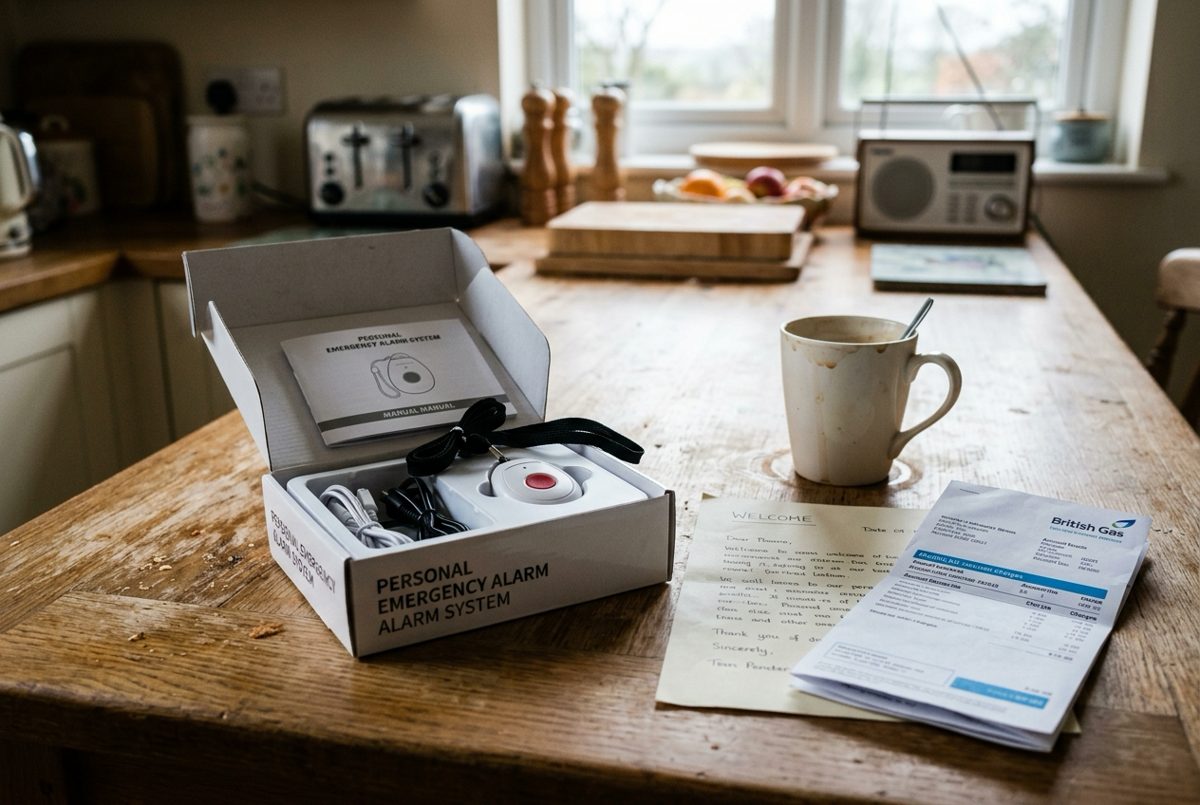
So Karen did what responsible daughters do. She signed her mother up for a monitored emergency pendant, a white plastic button on a cord with a call center on the other end. It cost $44.95 a month.
"I remember the relief," Karen says. "I couldn't be there. But now somebody would be."
Joan wore it for about a week. After that it came and went, like reading glasses.
Karen wasn't unusual. In one long-term University of Cambridge study, 70% of the older people living on their own already had some kind of call alarm. Buying one is simply what caring families do.
Months 3 to 9: The Bruises Everyone Explained Away
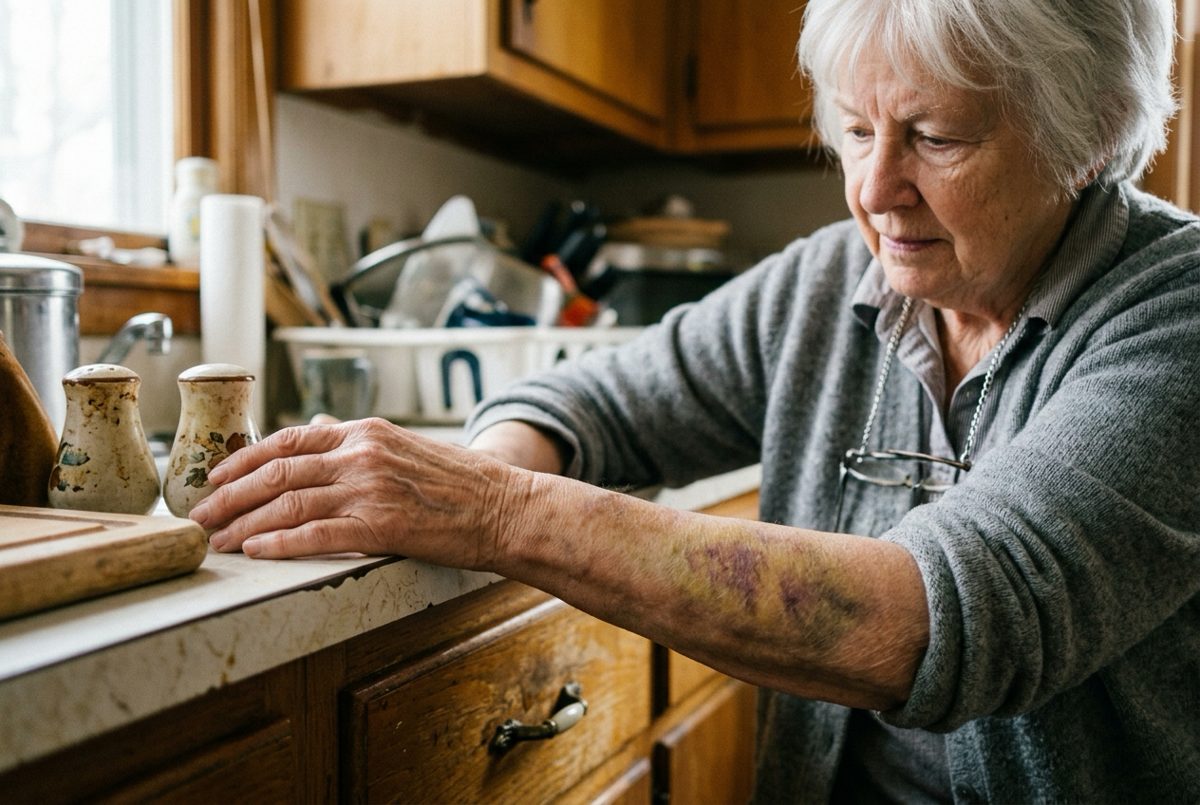
The first bruise was on Joan's forearm, purple going yellow at the edges.
"I bumped the cabinet," she said.
Then a scraped knee under her slacks. "The garden."
Karen believed her. Why wouldn't she? Her mother had never lied to her about anything important. And if something serious ever happened, she had the button.
She had no idea those bruises had a different story behind them.
Most families never hear this part. According to the CDC, more than one in four older adults falls every year, but less than half tell their doctor. If they won't tell their doctor, they're not calling their daughter.
It wasn't that Joan was hiding something shameful. It was that each fall she admitted to was one more reason for somebody to say the word "facility."
Months 10 to 13: "I'm Fine, Honey"
By winter, Joan had started sitting down on the edge of the bed to put on her shoes. Karen noticed. She didn't say anything.
Instead, she called. Every night at 7 PM, on the drive home, the same question and the same answer.
"How are you, Mom?"
"I'm fine, honey."
"I lived for those four words," Karen says. "If I heard them, I could make dinner. I could sleep."
What Karen didn't think about were the other 23 hours and 55 minutes of the day. In the Cambridge study, 82% of falls happened when the person was completely alone. A phone call can tell you your mother is fine at 7 PM It can't tell you anything about 8:30.
Month 14: The Night on the Bathroom Floor

It was a Tuesday in February.
On the 7 PM call, Joan sounded like herself. "I'm fine, honey. I'm about to run my bath."
Around 8:30, stepping out of the tub, her foot slid on the wet tile. She went down hard between the tub and the toilet, and she couldn't get up.
She was awake. She wasn't pinned. The pendant was hanging around her neck, a few inches from her hand.
Twice that night, she heard the phone ringing in the kitchen. She lay there, wet and then cold, and listened to it ring.
The next morning at 7:15, Karen called. No answer. She called again. No answer. She drove the 25 minutes with her hazard lights on.
She found her mother at 7:40 AM, shaking, still wedged between the tub and the toilet, about eleven hours after she fell. The button was still around her neck.
In the hospital, once Joan was warm and the IV was in, Karen finally asked. "Mom. Why didn't you press it?"
Joan looked at the ceiling for a long time.
"Because they'd have sent an ambulance," she said. "And then I'd never come home."
It wasn't that she couldn't reach the button. It was that she was more afraid of pressing it than of lying on that floor.
Three days later, a discharge planner with a clipboard sat down beside Karen and asked, very gently, "Have you thought about assisted living?"
"That was the exact thing my mother was lying on the floor to avoid," Karen says. "And it happened anyway."
The 2 AM Discovery That Shattered Everything Karen Thought She Knew
Karen couldn't sleep that week. At 2 AM, she was at her kitchen table typing things like "why didn't my mom press her emergency button" into her phone.
That's when she found it: a study from researchers at the University of Cambridge, published in the BMJ in 2008. They had followed 110 people over the age of 90 for an entire year, tracking their falls.
80% of the people who fell couldn't get back up on their own at least once. And a long wait down there was strongly linked to serious injury, a hospital stay and a move into long-term care.
Then Karen read the line that made her put her phone face down on the table.
In 38 falls, someone had been stuck down there for over an hour with an alarm system installed. In 37 of those 38, they never used the alarm. That's 97%.
And the researchers had written down why, in the participants' own words. One woman had fallen trying to stand up from the toilet. She was wearing her alarm, and she told the researchers why she never used it.
"I didn't want to use the call alarm, although I was wearing it, for fear of being taken into hospital."
"It was my mother," Karen says. "Word for word. Written down in England, years before any of this happened to us. I'd paid for a button for a moment my mother had already decided she would never use."
The Phone Call That Exposed 14 Months of False Comfort
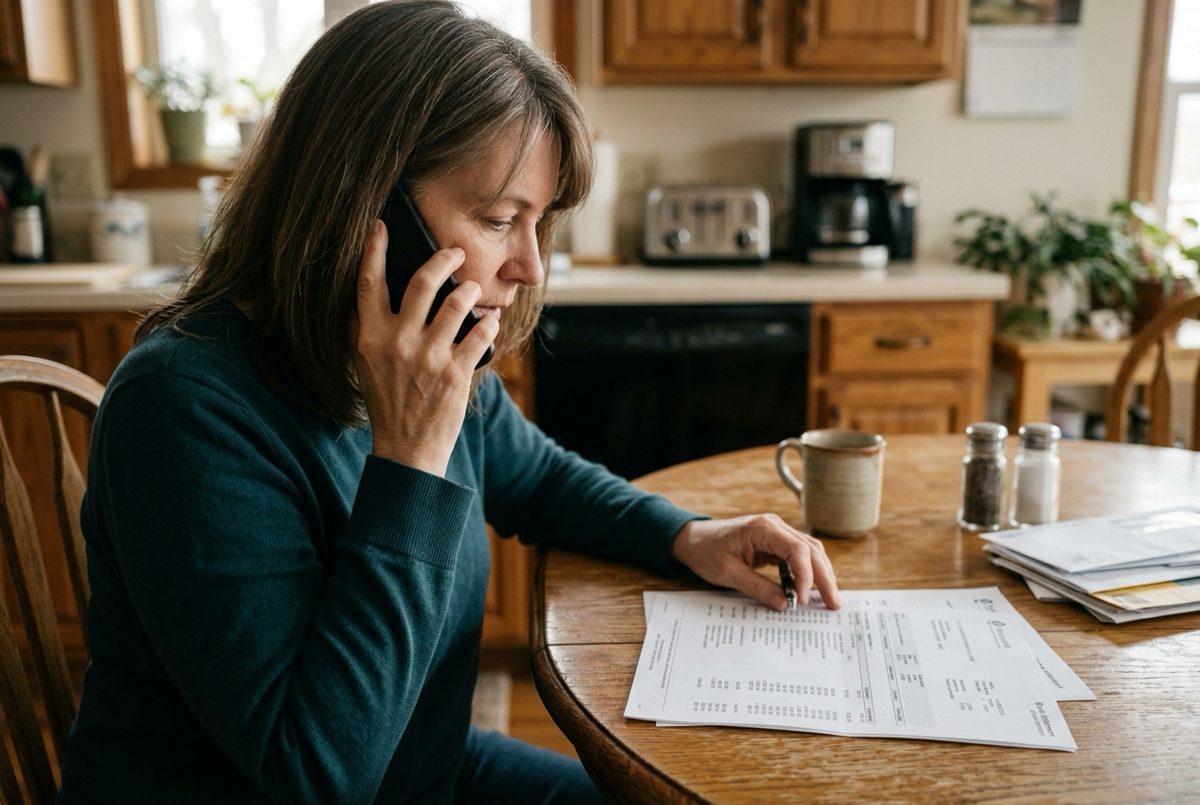
The next morning, Karen called the monitoring company. She had one question: in fourteen months, how many times had her mother pressed the button?
The woman on the phone checked.
"Zero, ma'am."
Zero. In the same fourteen months, Karen now knew her mother had fallen at least three times. There was the bruise on her forearm, the scraped knee and the night in the bathroom.
Karen had paid about $630 for a service that had never once been used.
"I'd been hearing nothing and telling myself that meant nothing was happening," she says. "The silence wasn't good news. The silence was my mother deciding, over and over, not to call."
The Design Flaw Nobody Warned Karen About
But the zero wasn't the worst part. The worst part was understanding why.
A monitored button connects the person who pressed it to a stranger at a call center. That stranger's job is to send help, and help, to a 79-year-old woman alone on a bathroom floor, means an ambulance.
Which is exactly what Joan was afraid of.
The button was built around the one call her mother would never make.
Nothing was broken. The button just needed a proud, frightened woman to make the hardest call of her life from the bathroom floor. And every time, she said no.
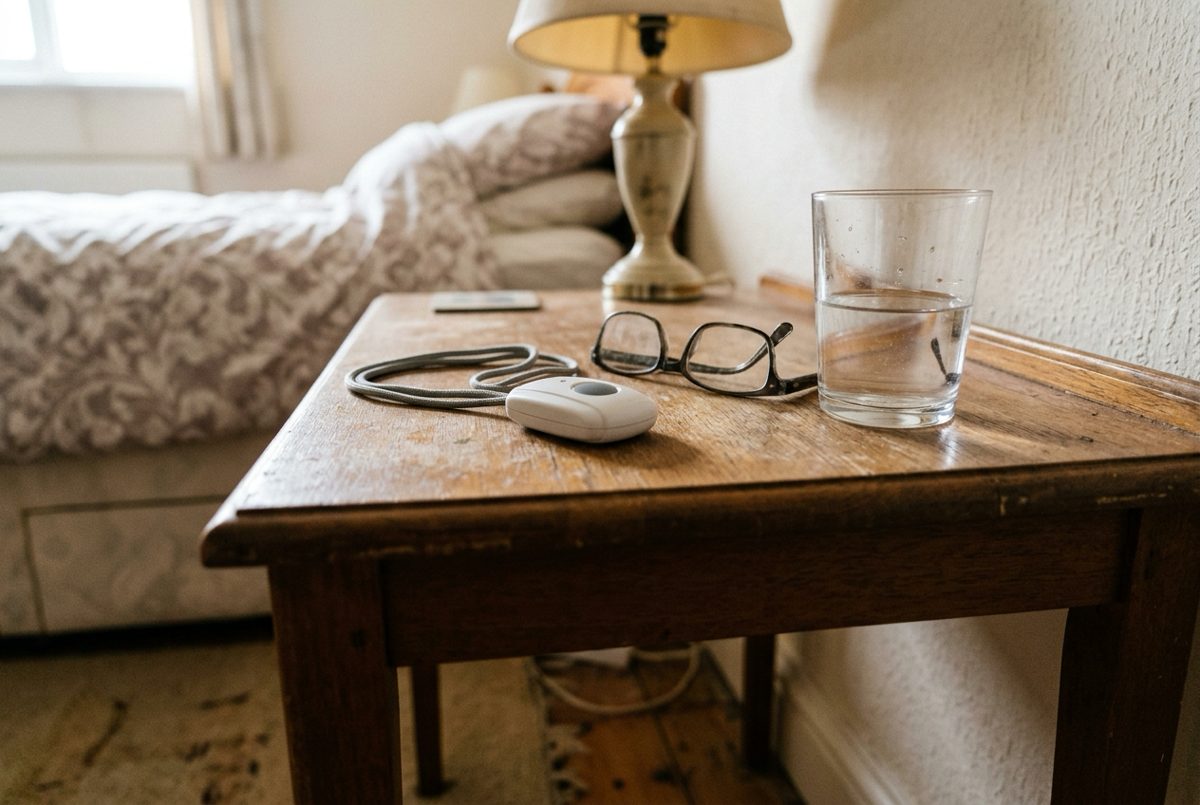
And some nights, the decision never even came up. Another woman in the study had lost her balance while getting undressed and spent the night on the floor until the next morning. Her reason was even simpler:
"I'd already taken it off ready for bed and put it on the bedside table so then I couldn't reach it."
"Everyone kept telling me she needs to remember to press it," Karen says. "But there was nothing wrong with her memory. There was something wrong with the plan."
The Watch That Makes the Call For Her
Determined not to put her mother through another night like that, Karen spent weeks looking for something different. Most of what she found repeated the same mistake.
An Apple Watch needed charging every night. That meant it would sit on the nightstand at exactly the hour her mother got up in the dark. And Joan didn't have an iPhone. Pendants with fall detection still hung on a cord her mother would take off, and still came with a monthly plan.
Karen needed three things. It had to make the call without her mother deciding to. It had to call family, not strangers. And her mother had to actually keep it on.
That's how she found the Shelvas Halo.
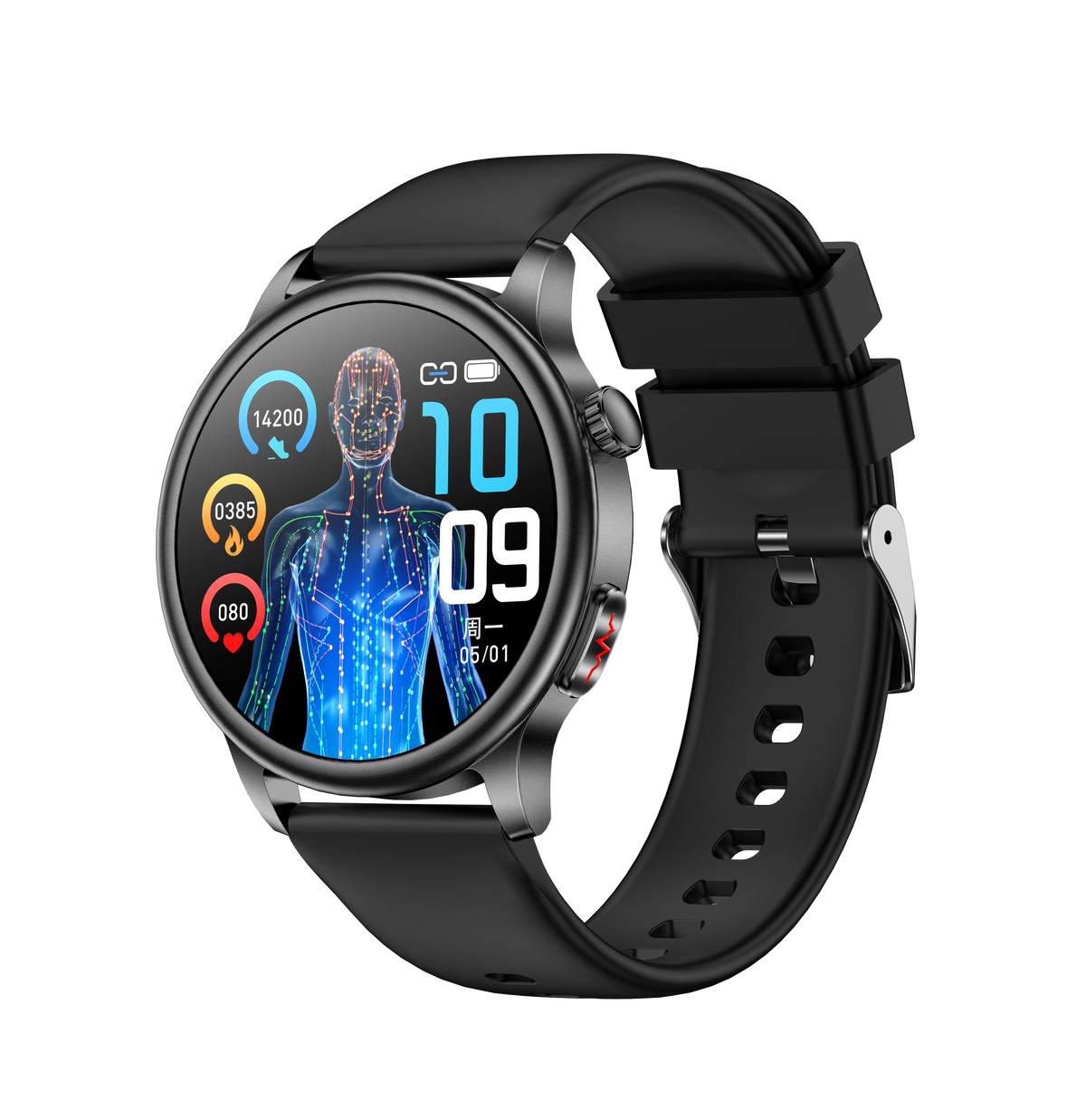
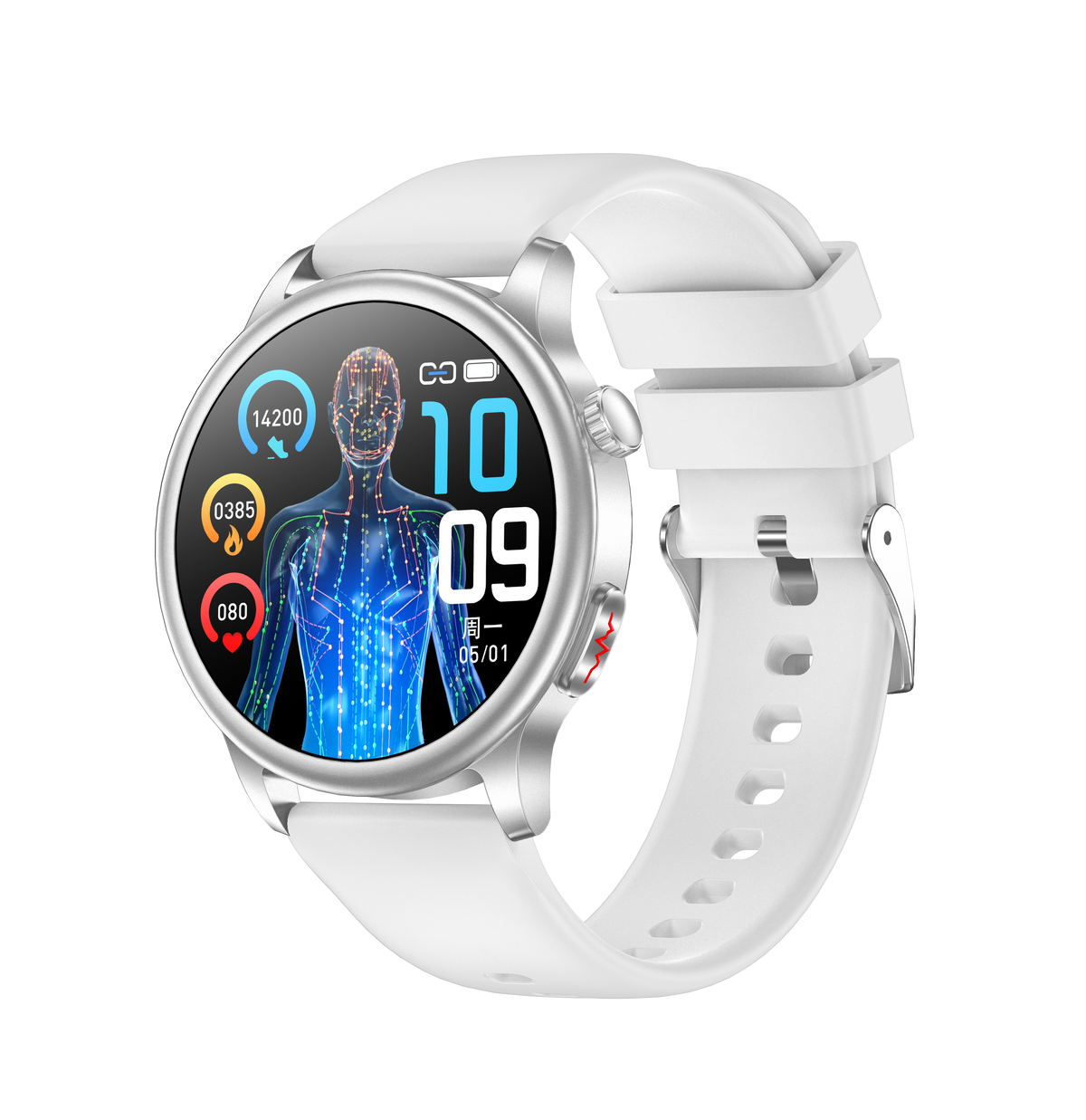
The Halo is a slim watch with automatic fall detection. There's no button to press. When it detects a fall, it calls family within seconds. It's a real phone call with two-way talk, so you hear your mother's voice and she hears yours.
There's no call center in between. The call goes to the family contacts you pick in the free Shelvas app, so the voice on the other end is yours.
"That was the whole thing for me," Karen says. "Mom was never afraid of me. She was afraid of the ambulance."

And it's built to stay on. The battery lasts about five days, so it can be charged on Sunday and forgotten until Friday, instead of spending every night on the nightstand. It's IP68 shower-safe, which covers the one room where Joan fell. The case is only 11.5 mm thin, so it looks like a watch, not a medical device.
There's no SIM card and no monthly fee, ever. Inside the box: the watch, a magnetic charger and a card with three steps.
One honest note. The Halo places its call through a paired iPhone or Android phone, so that phone has to be in the house, within range. And like any fall detector, how well it catches a fall can vary with the type of fall.
The Transformation That Gave Karen Her Nights Back
Karen brought the Halo over on a Sunday and braced herself for the argument. There wasn't one.
Week 1: She Put It On Herself
Joan turned it over in her hands and said, "Well, that's just a watch." Then she put it on.
"The pendant made her feel like a patient," Karen says. "This made her feel like herself. She showed it to her friend from church."
Week 2: It Stayed On in the Shower
For the first time since the fall, Joan wore her protection into the bathroom.
"That room was where my head went every night," Karen says. "Knowing it was on her wrist in there, I could finally stop picturing that floor."
Month 2: Karen's Phone Rang
On a Thursday afternoon, Joan lost her footing on the back steps and sat down hard in the yard. Before she'd even caught her breath, Karen's phone was ringing.
"I'm alright," Joan said, a little annoyed. "It's just this nosy watch."
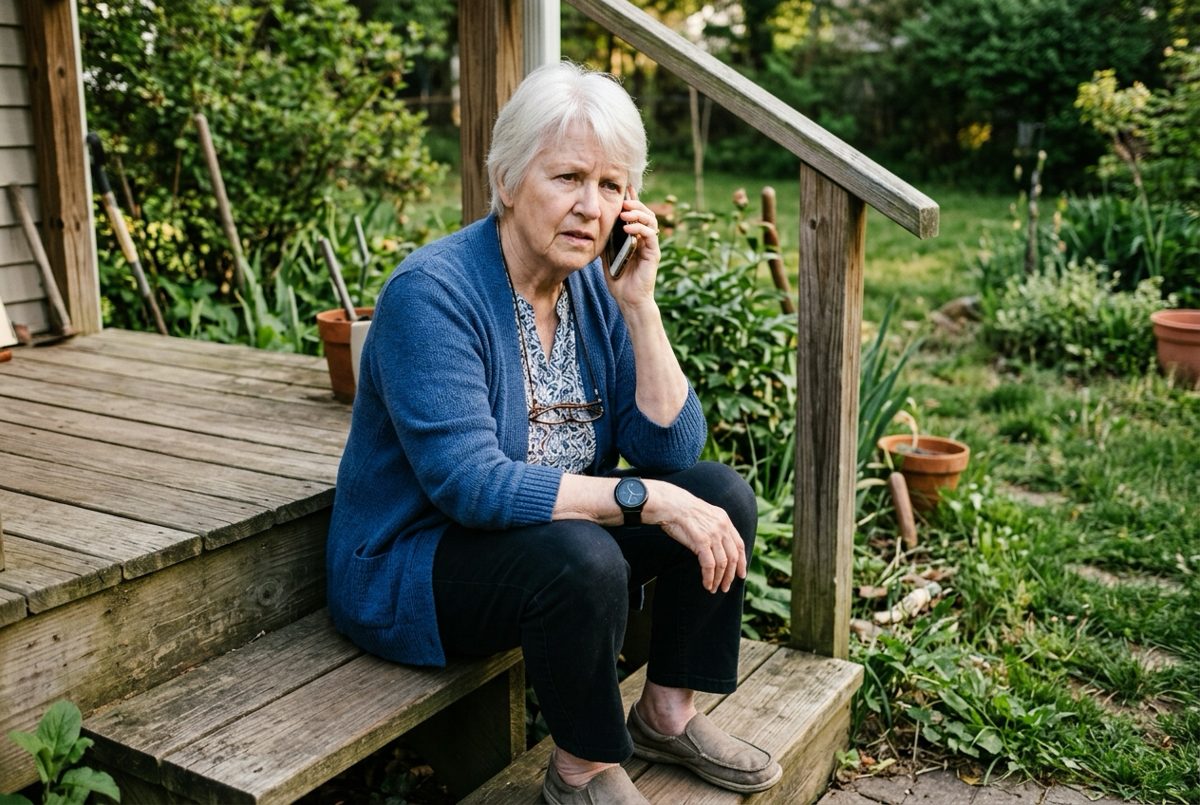
Karen laughed so hard she cried. "She didn't have to decide anything," she says. "For the first time, I heard about a fall from the watch instead of from a bruise."
Month 4: Nobody Mentions Assisted Living Anymore
Joan is still in her own house. Karen still calls at 7 PM, but now it's to talk, not to check.
"I sleep through the night again," Karen says. "I didn't realize how long it had been."
Why Karen's Story Matters to Every Daughter Whose Mother Lives Alone
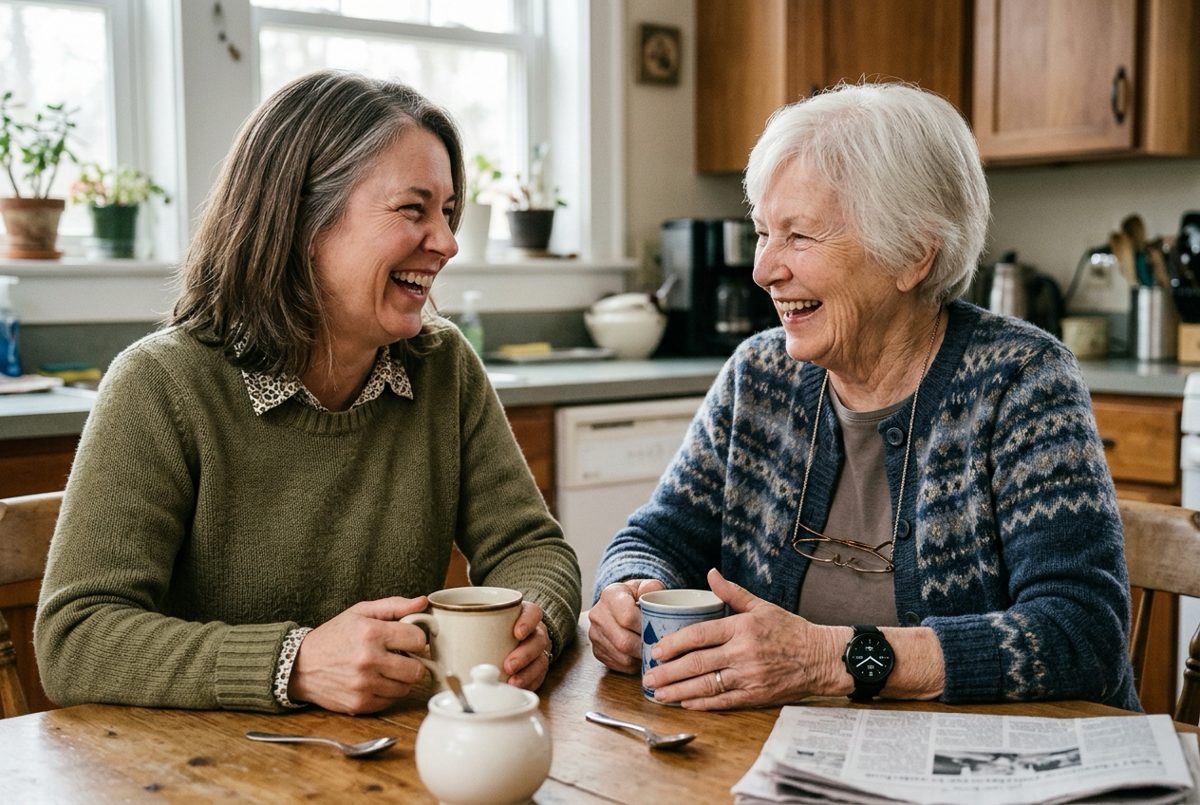
Karen's story isn't unusual. That's the point.
In the Cambridge study, when people fell alone with an alarm available, 4 out of 5 times the alarm was never used. Virtually no one who did use their alarm stayed on the floor for more than an hour. The difference between a scare and a night on the floor wasn't the fall. It was whether anyone found out.
Here's the part that's hard to hear. The falls were always happening. The button just kept you from hearing about them.
You didn't do anything wrong by buying the button. Karen didn't either. You did the responsible thing with what you knew. But now you know what Karen learned at 2 AM: your mother's safety can't depend on a decision she's afraid to make.
Rated 4.9 Stars by Families Across the Country, the Reviews Are Pouring In
"I chose this fall detection watch for my mother after I found her on the bathroom floor one night, and the Halo's automatic detection means she wouldn't have to press anything."
Diane, Ovilla, TX
★★★★★
"Although she was not excited about having a medical alert device at first with this Shelvas watch, she understands that it gives her a way to get help when needed with no monthly fees. She has used it successfully."
PG, Webster, NC
★★★★★
"The Shelvas Halo has been a great choice since it calls my family directly without any monitoring center middleman. It's lightweight and so comfortable that I barely notice I'm wearing its slim 11.5mm case throughout the day."
Walter, Thatcher, AZ
★★★★★
"I bought the Shelvas Halo for my elderly mother... She wears it every day and regularly tests the emergency features to make sure everything is working properly, and the large bright display makes it easy for her to read."
Debbie, East Greenbush, NY
★★★★★
How You Can Follow Karen's Path
Inspired by stories like Karen's, more families are replacing the button their mother won't press with a watch that makes the call for her. Right now the Shelvas Halo is $379, paid once, down from its regular price of $529. That's less than nine months of what Karen paid for the button her mother never used, and after that you never pay again.
Shelvas Halo
$379 $529
Save $150
Automatic fall detection that calls you, not a call center
$0 a month, no contract, no SIM card, no monthly fees
5-day battery and IP68 shower-safe, so it stays on
Free US shipping and a 1-year warranty
30-day returns
"If your mom won't wear it, send it back," Karen says. "You've got 30 days. But I'll tell you what happened at our house: she put it on and she never took it off."
30-day returns. 1-year warranty.
Shelvas Halo Fall Detection Watch
Automatic fall detection that calls family, not a call center. $379 once, $0 a month.
CHECK AVAILABILITY
Don't Wait for the Night You Can't Take Back
Karen thinks about that Tuesday more than she'd like to. The phone ringing in the kitchen. Her mother on the tile, listening to it. The button hanging right there.
"I did everything I was supposed to do and it still happened," she says. "If my story gets even one daughter to ask her mom, 'Would you really press it?', then it was worth telling."
Your mother being "fine" doesn't have to be something you hope for at 7 PM every night.
It never did.
CHECK AVAILABILITY
Free US shipping

